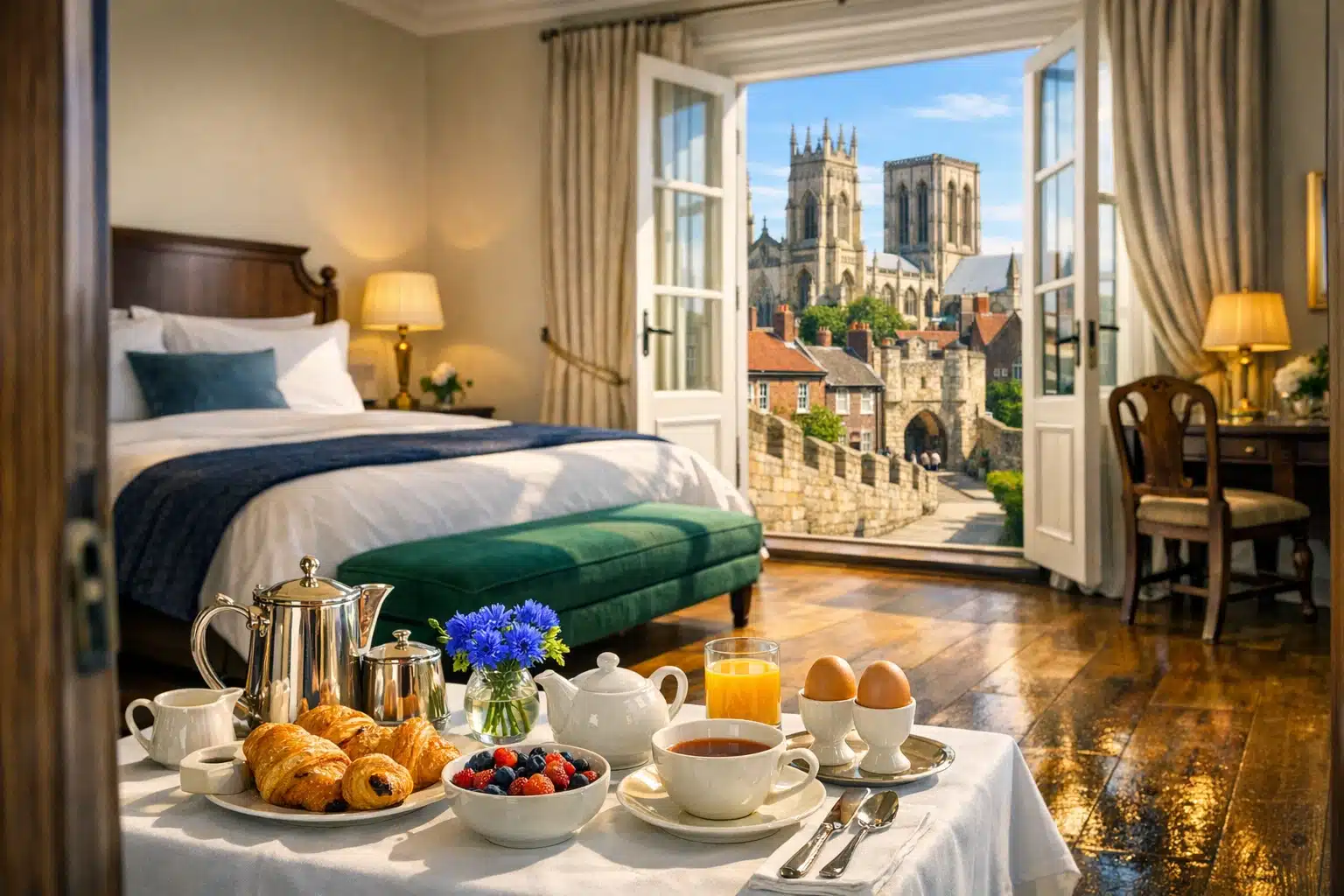
3-Night All-Inclusive Hotel Stay in York: What to Expect
Why a 3-Night York Stay Works and How This Guide Is Organized
York is the kind of city that rewards a short stay because its layers of history, walkable center, and warm hotel scene fit neatly into a long weekend. A three-night break gives you enough time to see the famous sights without turning the trip into a rushed checklist. It also creates room for slower pleasures such as a late breakfast, an evening by the river, and a comfortable room to return to. If you are comparing packages, knowing what is actually included can make the difference between a decent deal and a genuinely relaxing escape.
For many travelers, three nights is the practical middle ground between a day trip and a longer holiday. It gives you one arrival day, two full sightseeing days, and one departure morning that can still fit in a museum visit, a final coffee, or a walk along the old walls. York is particularly well suited to this format because many of its best-known attractions sit within a compact historic core. The city center is easy to explore on foot, and that reduces the friction that often eats into short breaks. Less time in transit means more time actually enjoying the place.
This article is organized to help readers move from broad planning to specific choices. The outline below shows how the guide is structured so you can scan quickly or read in full:
- What a 3-night York hotel package usually includes
- Which historic attractions are worth prioritizing
- Which comfort features improve a short getaway
- How to choose the right area, season, and value level
That structure matters because York can be sold in very different ways. One package may focus on classic sightseeing, another on spa downtime, and another on convenience for rail travelers arriving for a weekend away. The title phrase all-inclusive can also mean different things in a UK city-break setting than it does at a beach resort. In York, it often refers to a bundled stay with selected extras rather than unlimited food and drink throughout the day. Travelers who understand that distinction tend to book more confidently and feel less disappointed when they arrive.
There is also a mood question at play. York can feel scholarly, dramatic, cozy, and slightly theatrical all at once. Medieval lanes curve unexpectedly, church towers rise above narrow streets, and in the evening the city can seem to soften around the edges. A well-planned three-night visit lets you enjoy both sides of York: the headline attractions and the quieter comforts in between them. That combination is exactly what makes short getaways here so appealing.
What Is Usually Included in a 3-Night York Hotel Package
When travelers see a 3-night all-inclusive hotel stay in York, the smartest first step is to read the package details closely. In this market, all-inclusive rarely means resort-style unlimited meals, drinks, and entertainment. More often, it means a bundled city-break rate that may combine accommodation with breakfast, one or two dinners, a welcome drink, parking, late checkout, spa access, or tickets to a local attraction. That is not a drawback; it simply reflects the way short urban stays are built in historic UK destinations.
The most common inclusion is daily breakfast. In York, this can range from a continental buffet to a full cooked breakfast with local touches such as Yorkshire tea, pastries, or regional preserves. Breakfast matters more than it sounds on a short trip. It saves time in the morning, reduces daily spending, and helps you start sightseeing early, especially if you want to reach major attractions before peak crowds. Many couples also prefer packages with one dinner included, particularly on the first night when they would rather settle in than search for a restaurant after check-in.
Typical hotel package features often include:
- Three nights in a standard, superior, or boutique-style room
- Breakfast each morning
- One evening meal or dining credit
- Wi-Fi and basic in-room amenities
- Late checkout, subject to availability
- Parking, which can be valuable in central York
- Spa or leisure access at selected properties
There are also important differences between hotel types. A chain hotel near the station may emphasize convenience, lift access, and predictable service. A boutique property inside or near the walls may offer more character, with exposed beams, individually styled rooms, and a stronger sense of place. Country-house hotels just outside the center can feel calmer and more spacious, but they may require taxis or careful bus planning. If comfort is your priority, compare mattress quality, air conditioning, room size, soundproofing, and bathroom layout rather than focusing only on star ratings.
It is just as useful to know what may not be included. Drinks at dinner are often extra. Attraction tickets may be separate unless the package clearly states otherwise. Weekend supplements, pet fees, upgraded room charges, and private spa treatments can increase the final price. Families should also check whether breakfast is included for children and whether sofa beds or interconnecting rooms are part of the quoted rate. A good York package is rarely the cheapest one on the screen. It is the one whose inclusions match the way you actually want to spend those three nights.
Key Historic Attractions to Prioritize During a 3-Night York Break
York has no shortage of history, but a short stay works best when you choose a realistic set of highlights rather than trying to collect every attraction. The city’s appeal comes from its layering: Roman roots, Viking stories, medieval streets, Georgian traces, railway heritage, and a cathedral that dominates both skyline and imagination. A three-night visit gives you enough breathing room to experience several major sites while still allowing for unplanned moments, which are often the ones people remember most clearly.
Explore 3-night York hotel stay trends with insights on accommodations, local attractions, comfort features, and travel experiences.
If you are visiting York for the first time, York Minster should usually be near the top of the list. It is one of the largest Gothic cathedrals in Northern Europe, and its scale alone can reset your sense of the city. The Great East Window, intricate stonework, and undercroft exhibits make it much more than a quick photo stop. Nearby, the Shambles offers a very different atmosphere. It is narrower, busier, and more intimate, with timber-framed buildings leaning toward one another in a way that makes the street feel theatrical without being artificial.
Other historic priorities often include:
- The city walls, which stretch for roughly 2 miles around much of the old center
- JORVIK Viking Centre for a vivid interpretation of the city’s Norse past
- Clifford’s Tower for elevated views and a strong sense of medieval power
- The National Railway Museum, where general admission is usually free
- Merchant Adventurers’ Hall for insight into medieval trade and civic life
A useful rhythm is to divide your sightseeing by energy level. On the first afternoon, keep things light: a walk through the center, a look at the Minster exterior, and a stroll by the River Ouse. Use the first full day for the major paid attractions that require concentration and time. Reserve the second full day for a blend of walls, museums, shopping lanes, and pauses in cafes. That pattern helps prevent the common mistake of overloading day one and feeling tired by the next morning.
York’s compactness is a real advantage here. You can move from a grand ecclesiastical space to a small museum, then to a tea room, then back out onto an ancient street within minutes. At dusk, the city shifts again. Stone buildings pick up a softer color, narrow alleys grow quieter, and even well-known routes feel slightly mysterious. That is why the best historic itineraries in York are not just about ticketed sites. They leave room for wandering, because the city itself is one of the main attractions.
Comfort Experiences That Turn a Short Getaway Into a Real Escape
Historic sightseeing may be the headline reason to visit York, but comfort is what determines whether the trip feels energizing or draining. On a three-night break, the hotel is not merely a place to sleep between outings. It becomes a recovery space, a weather backup, and sometimes a small part of the destination itself. A good room, a calm breakfast setting, or a smooth check-in can shape your impression of the whole weekend more than travelers often expect.
Comfort begins with basics done well. A central location can save thousands of steps over the course of a trip, especially if you plan to return to the room before dinner. Good heating in winter and effective cooling in warmer spells matter in old buildings, which can be charming but occasionally less predictable than modern properties. Quality bedding, blackout curtains, and a quiet room away from street noise can improve sleep significantly, and better sleep means more enjoyment the next day. If you are sensitive to noise, asking for a courtyard-facing room or a higher floor can be a smart move.
Many short-break travelers also look for small indulgences that create a sense of occasion:
- Afternoon tea in the hotel lounge or a nearby tearoom
- Spa access with a pool, sauna, or treatment rooms
- Bathrobes, upgraded toiletries, and larger bathrooms
- Late checkout for a less hurried final morning
- River cruises or evening walks included as part of a package
Not every comfort feature needs to be luxurious or expensive. Sometimes the most valuable extra is simple convenience. On-site parking can remove a major source of stress in a city where central driving is not always enjoyable. A restaurant in the hotel can be especially useful on your arrival night or after a long day of walking. Likewise, easy access from York railway station can make a short break feel effortlessly joined up, particularly for travelers coming from London, Leeds, Manchester, or Edinburgh by train.
There is also a style difference between types of comfort. Boutique hotels may deliver atmosphere, memorable interiors, and a feeling of staying somewhere with a story. Larger hotels may offer more facilities, from lifts and leisure clubs to room service and broader accessibility options. Neither is automatically better. A couple celebrating an anniversary might prefer character and mood; a family or older traveler may place more value on space, reliable amenities, and straightforward access. The ideal short getaway usually blends both worlds: enough character to feel special, enough practicality to feel easy. When that balance is right, York becomes more than a sightseeing stop. It becomes a place where the days feel full and the evenings feel restorative.
Choosing the Right York Stay for Value, Location, and a Smoother Short Break
Once you know what is included and which attractions matter most to you, the final decision comes down to fit. The right York hotel stay depends on how you travel, how much walking you enjoy, and what kind of atmosphere you want around you. A package that looks impressive on paper can still feel inconvenient if it is in the wrong location or packed with extras you will never use. Good value is not only about price. It is about alignment between the booking and the traveler.
For many first-time visitors, staying within or just outside the historic walls is the easiest choice. It keeps the Minster, the Shambles, and the central museum area close at hand. Hotels around the station suit rail travelers and can be excellent for convenience, especially if you are arriving late or leaving early. Areas such as Bootham offer a calm feel while still remaining walkable, and riverside properties can add atmosphere, particularly for couples. If you are driving, a hotel slightly outside the center with parking may offer better practical value than a central property with extra parking fees.
When comparing offers, focus on these questions:
- Are breakfast and dinner included every day or only once?
- Does the room type match your space and accessibility needs?
- Are parking, spa access, and late checkout guaranteed or subject to availability?
- How far is the hotel from the attractions you care about most?
- Will weekend or seasonal surcharges change the final total?
Season also affects the experience. Winter brings festive atmosphere and strong demand around Christmas events, while spring and early autumn often provide a pleasant balance of daylight, manageable crowds, and comfortable walking weather. Summer offers long evenings and a lively mood, though rates may rise and popular sights can become busier. Booking early helps, especially if you want a boutique property or a room category above standard. Flexible cancellation can also be worth paying slightly more for, particularly on short breaks where a small change of plan can affect everything.
For the target audience of this guide, the best 3-night York hotel stay is one that creates a clear, enjoyable rhythm: arrive without stress, explore without rushing, and rest without compromise. Choose a package that is honest about what it includes, place the major historic attractions within easy reach, and allow a little space for comfort-led moments that make the trip feel personal. York rewards travelers who plan intelligently but not rigidly. With the right hotel and a balanced itinerary, three nights are enough to understand why this city leaves such a lasting impression.